


Drawn to Nature
- Jan 24, 2023
- 3 min read
Frost on the ground, the bitter, cold weather of January. Better than the endless rain but still not weather to venture out in. What better way to spend it than enjoying the books I got for Christmas and reflecting on the beauty of nature. For though it is cold and frosty, the garden looks beautiful, the stark, bare trees outlined against the pale blue winter sky and the leaves and berries that remain look like cake decorations with frosted icing.
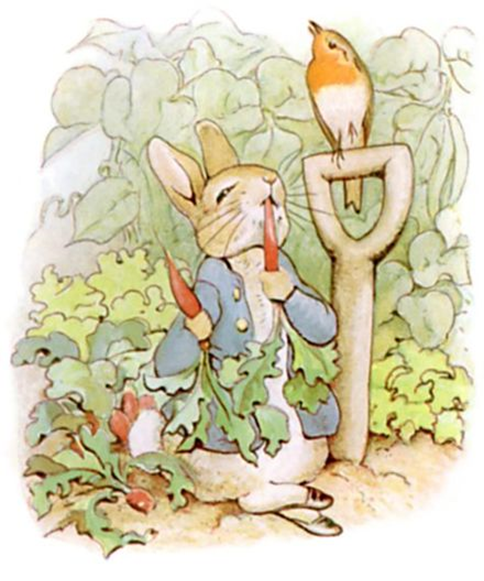
I did venture out though early in the month – to the wonderful V & A Museum for an exhibition entitled Beatrix Potter: Drawn to Nature, celebrating the life and works of one of the best loved children’s authors of the 20th century. It was a fascinating and slightly unusual exhibition in that it explored Potter’s life as a scientist and conservationist, exploring the places and animals that inspired her beloved characters. Of course, we all know Peter Rabbit and the huge cast of animal characters that came to life in her simple and timeless stories for, of course, she drew them all as well as wrote their stories. Less well known, to me at least, was her work and study of the natural world. Long before the publication of her stories, she was a frequent visitor to the Natural History Museum, close to where she lived and this encouraged her interest in drawing – from insects and fungi to beautiful embroidery. A court waistcoat from the 18th century was to inspire The Tailor of Gloucester. By the time she was 17 she was already quite accomplished as an artist, and began to draw what she observed through microscopes with an eye of an investigative scientist, indeed many of her drawings were good enough to be used in natural history journals.

And almost by chance, I received a beautiful book entitled Drawn to Nature: Gilbert White and the Artists by Simon Martin. This was as a result of a visit last autumn to Gilbert White’s house in Selborne, Hampshire. White’s Natural History and Antiquities of Selborne was published in 1789 and has never been out of print. It is a unique record of the natural world around White’s home and has inspired generations of artists, writers and naturalists. White’s Natural History has been published over 400 times in Britain and internationally and serves as a testament to his influence and a reminder of the importance of both observing and caring for the natural world. In Drawn to Nature this world is seen through the work of British artists and writers including Eric Ravilious, Virginia Woolf and John Piper. For a lover of illustration like myself it really is a joy to see such a range of engravings, stained glass, paintings and drawings bringing nature to life. With an introduction from Sir David Attenborough, this book is something to be treasured and dipped into many times.

Another of my favourite artists, William Morris, also used nature as inspiration for his designs. During his career William Morris produced over 50 wallpapers. These designs adopted a naturalistic take on pattern. The success of Morris's wallpaper designs relies on his well-practiced and close observation of nature. His work was unprecedented because it celebrated the simple forms he saw in British gardens, fields and hedgerows rather than exotic, imported blooms. Morris is featured in another Christmas present, The Cult of Beauty, a fabulous record of a former V&A Exhibition on The Aesthetic Movement 1960-1900 with stunning colour plates, worthy of any coffee table, but also worth taking time to read this fascinating history of an era when a quiet revolution was taking place that would change the face of art and design in late Victorian Britain.
Acknowledgements to The V&A Museum, London.
Comments